
Understand the offer
We start with the product or service, buyer intent and the conditions that make a market commercially relevant.
A SYSTEM, NOT A CONTENT FACTORY
pSEO is not a duplicate-page factory. It is a structured system built around real search demand, local context and your commercial territory.
HOW THE SYSTEM COMES TO LIFE
The work begins by connecting a real offer, relevant search questions and the markets a business can genuinely serve.
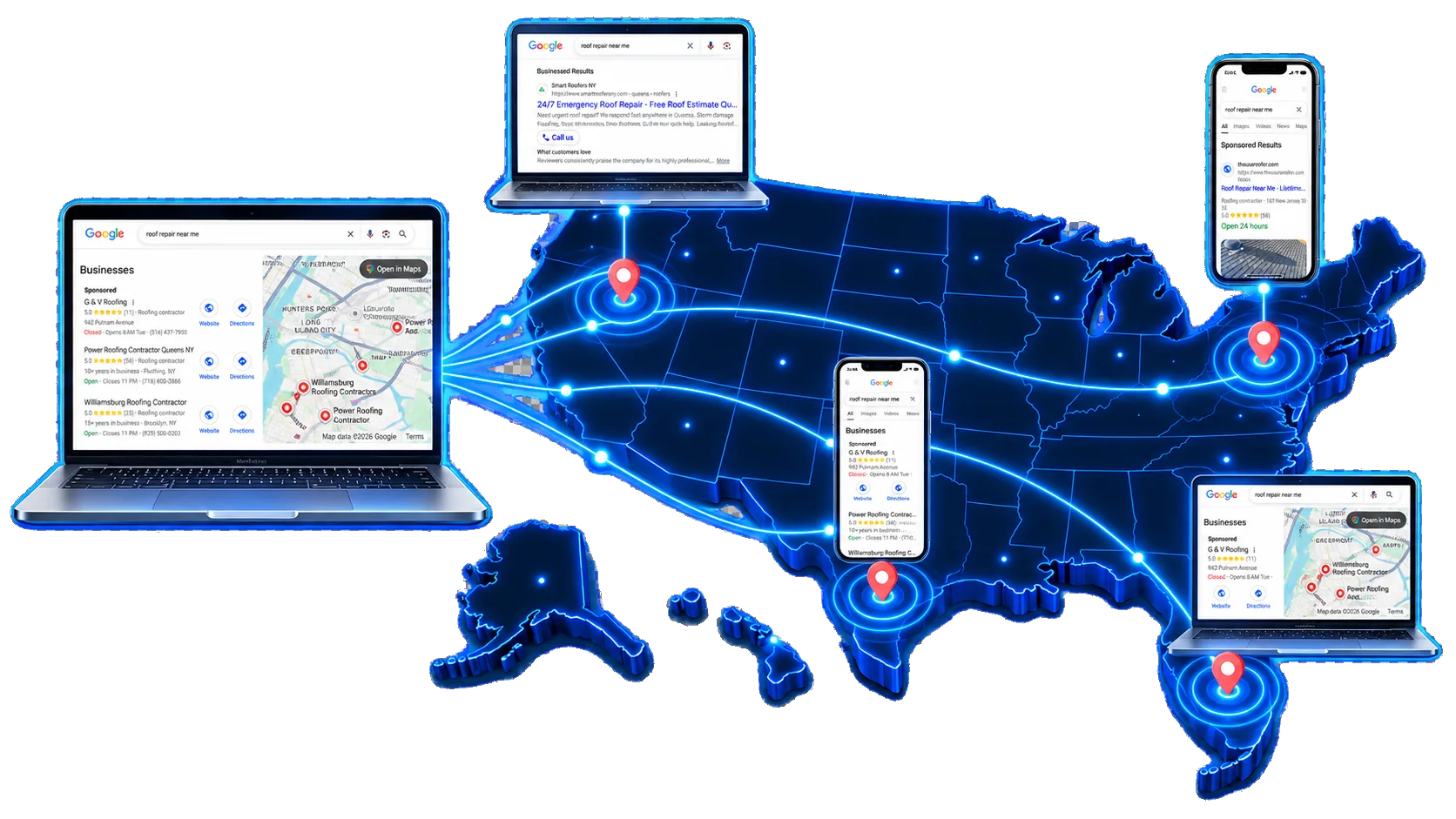
01 01 · Search system
Engagement model
The process makes the commercial and operational choices visible early. It gives teams a shared structure for approving markets, managing content and expanding only when the initial system is working as intended.
Delivery sequence
We start with the product or service, buyer intent and the conditions that make a market commercially relevant.
We identify the geographic, language and market combinations that fit the expansion objective.
Country, region, state or province, city and custom market mixes are selected deliberately — never crossed by default.
Templates are tailored around local context, language and the conversion path.
The system is prepared for controlled rollout, review and expansion as business priorities change.
Quality controls
Page types are based on verified service, market and language combinations rather than a broad generator.
Taxonomy, internal links and templates are designed so a team can inspect and improve them over time.
Market coverage follows delivery capability and customer intent, not a generic list of locations.
What teams receive
A visible explanation of why a page family exists, which markets it covers and the boundaries that keep the hierarchy credible.
A repeatable set of content roles, local review needs and conversion pathways rather than a list of lightly varied pages.
A practical basis for deciding what can be added next, what needs more evidence and what should remain excluded from the rollout.
Scope discipline
Pages are not used to imply an office, team, review history or service availability that cannot be supported.
Search results are not guaranteed. The work focuses on a sound, useful and maintainable market structure.
SYSTEM CONTROLS
Useful scale is a sequence of decisions: each layer gives the next one enough context to remain credible.
Define the service, intended customer and commercial question before any market route is considered.
Include only territories the responsible business can genuinely support and explain.
Map the visitor question each page should answer instead of producing interchangeable location labels.
Use facts, terminology and visuals that can be reviewed by the people who own the market.
Connect each destination to an appropriate next step and the related information visitors need.
Add new combinations through an approval process that protects accuracy and maintainability.
PROCESS FAQ
With the offer, the customer decision it supports, the markets the business can genuinely serve and the people who can approve language and local context.
No. A focused city, regional or country structure is often stronger than a broad hierarchy that does not reflect real demand or delivery capability.
After the offer, local context, language review and conversion route for that market are understood and included in the approved scope.
No. Search outcomes depend on factors outside a platform’s control. The work is designed around useful structure, technical quality and maintainable local relevance.
The page family needs confirmed offer details, delivery boundaries, market context, language ownership and a next action that reflects the real customer journey.
Yes. The existing structure, content and technical constraints can be reviewed first, then retained, improved or reorganised where the market model requires it.
By setting page requirements, sources, approval ownership and indexation rules before scale. Those controls make it possible to review the next market against the same standard.
It answers a genuine customer question using a supported offer, a meaningful market context and a clear next step. A changed place name alone is not enough.
Every route has an explicit role, source inputs, relationship to nearby pages and an approval boundary. Unsupported or repetitive combinations stay out of the system.
Yes. A controlled pilot can begin with one market or page family, then expand only when the offer, local inputs and operating ownership are ready.
The service boundary, market coverage, language accuracy, current commercial details and the conversion path should be confirmed by the responsible team.
No. It makes structure and content responsibilities clearer, while the responsible operator retains approval for commercial, legal and local-market decisions.